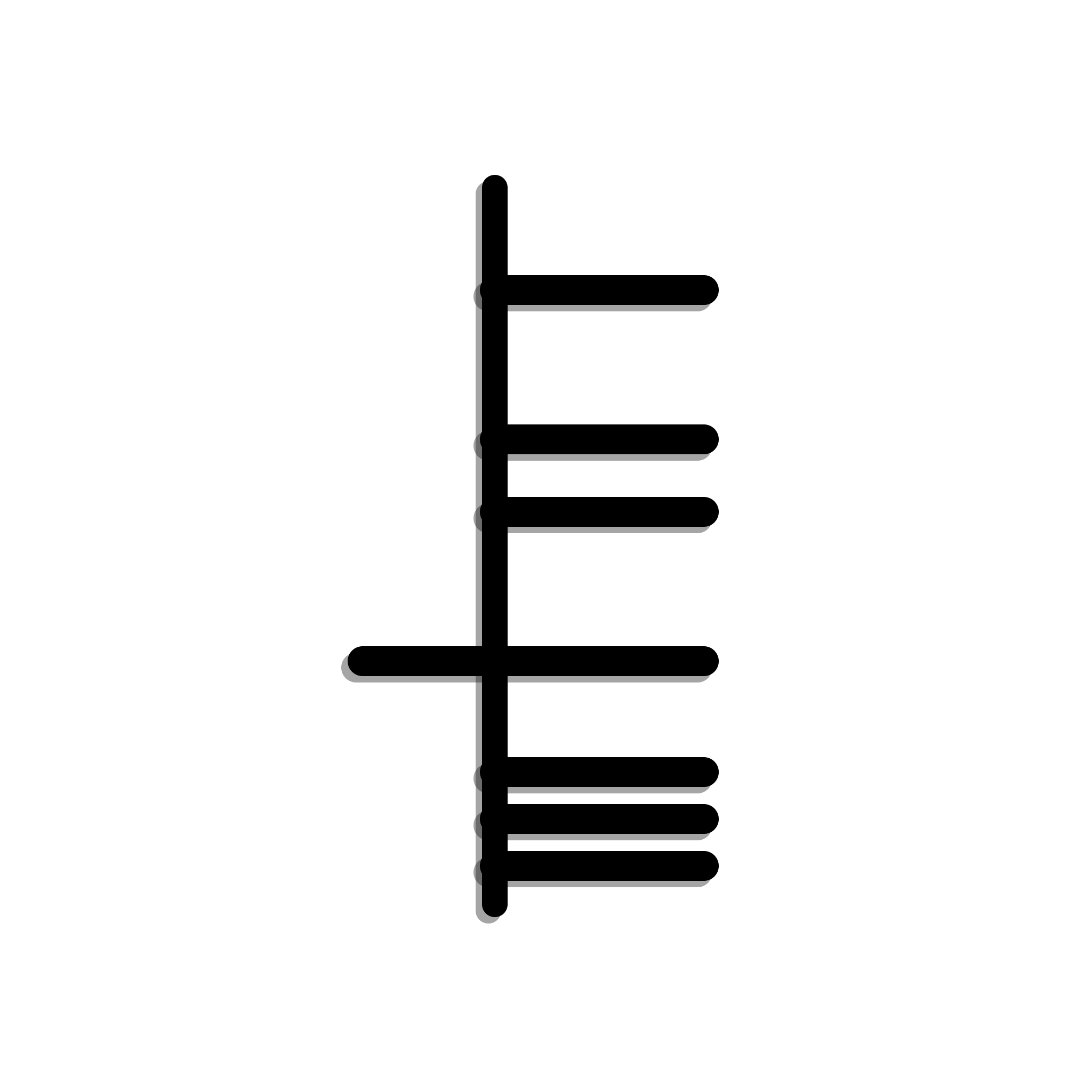
How are you?
Standard Irish follows Munster’s "Conas atá tú?" (Munster also uses "Conas tánn tú?"). Connacht asks literally "Which way are you?", while Ulster asks "What is it as you are?".
The potatoes are ready.
One of Ireland’s classic lexical shibboleths: "prátaí" in Standard and Munster, "fataí" in Connacht, and "préataí" in Ulster.
I was not there.
Munster keeps the synthetic 1st-person ending ("ní rabhas" instead of "ní raibh mé"). Ulster uses the negative particle "cha" and the verb form "rabh".
Wait a minute.
Standard, Connacht, and Munster use "nóiméad" for "minute". Ulster speakers use "bomaite" (often lenited to "bhomaite" in adverbial expressions).
She is in the house.
Munster preserves the historical dative singular "tigh" after prepositions ("sa tigh"), while Standard, Connacht, and Ulster use "sa teach".
Everyone is here.
"Every" is "gach" in Standard and Munster, contracts to "chuile" (from "gach uile", leniting the noun: "chuile dhuine") in Connacht, and appears as "achan" in Ulster.
I don’t know.
Munster retains the old defective verb "fheadar" ("ní fheadar" = "I don’t know"). Standard, Connacht, and Ulster use the noun phrase "níl a fhios agam".
The children are outside.
Standard and Ulster use "páistí". Connacht uses "gasúir" for children generally (in Munster "gasúr" refers to a boy), while Munster frequently uses "leanaí".