
Ireland
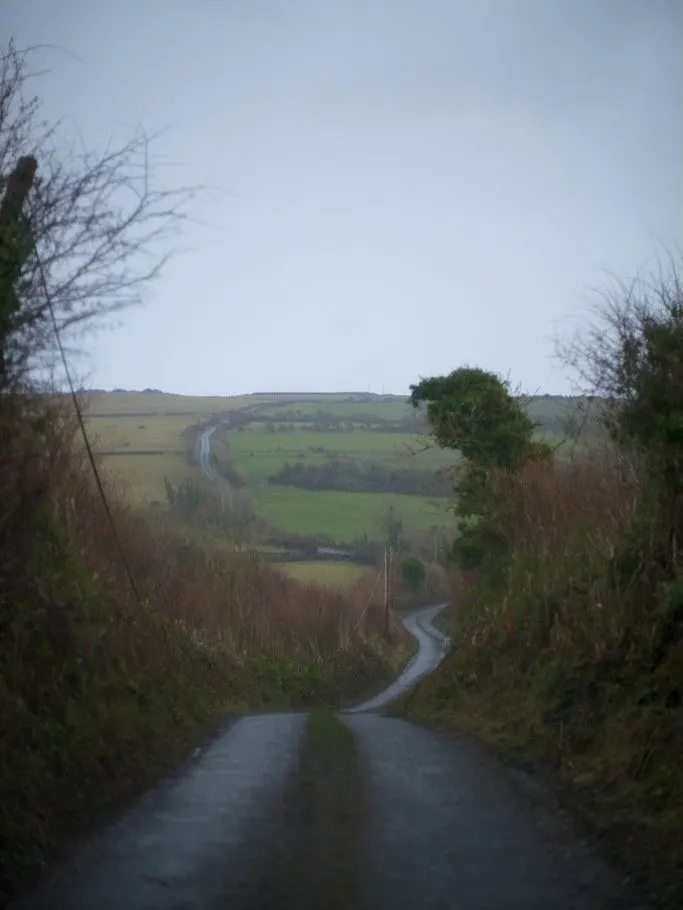
Is minic a leanann na lánaí cúnga seo i gceantair thuaithe na hÉireann 🇮🇪, ar a dtugtar boreens bealaí atá ann le céadta bliain, cuid acu ag leanúint cosáin a leagadh amach ar dtús mar rianta bó i ré na meánaoiseanna. Ní raibh Éire riamh mar chuid den Impireacht Rómhánach, mar sin ní bhfuair sí na bóithre leathana, díreacha a mhúnlaigh cuid mhór den Eoraip riamh. Ina áit sin, d’fhorbair lánaí go horgánach timpeall ar theorainneacha páirceanna, ballaí cloiche, agus línte maoine, agus níor leathnaíodh an chuid is mó díobh riamh toisc gur le duine éigin an talamh ar gach taobh. Timpeallaithe ag fálta sceach agus ballaí cloiche tirime, le féar ag fás suas sa lár agus coirnéil dalla timpeall gach lúbadh, is tromluí iad do thurasóirí i ngluaisteáin ar cíos ach is cuid den draíocht iad do gach duine eile.
////
These narrow lanes in rural Ireland 🇮🇪, known as boreens (from the Irish bóithrín meaning “little road”) often follow routes that have existed for centuries, some tracing paths originally laid out as cow tracks in medieval times. Ireland was never part of the Roman Empire, so it never got the wide, straight roads that shaped much of Europe. Instead, lanes evolved organically around field boundaries, stone walls, and property lines, and most were never widened because the land on either side belongs to someone. Hemmed in by hedgerows and dry stone walls, with grass growing up the middle and blind corners around every bend, they’re a nightmare for tourists in rental cars but part of the charm for everyone else.
From @blas.app on Instagram
Related